
The Connection Between Confidence and Mental Health
Learn how confidence impacts mental health and ways to improve self-esteem for better overall well-being


Photo by Daniel Minárik on Unsplash
In the journey of life, our mental health is as critical as our physical well-being. Yet, one aspect that profoundly impacts our mental health, often going unnoticed, is confidence. Confidence — the belief in oneself and one's powers or abilities — is a cornerstone that can either build a fortress of mental resilience or lay the groundwork for various mental health challenges. How often have we found ourselves cornered by doubts and fears, only to realize that at the heart of these anxieties lies a fragile self-esteem? This connection between confidence and mental health is not merely incidental but integral to our overall well-being.
Understanding this link is the first step towards fostering a healthier self-image and, consequentially, a more fulfilling life. It's about realizing that confidence isn't an innate, unchangeable trait but a skill that can be nurtured and developed over time. By exploring this connection, we embark on a journey toward self-improvement, aiming for a state of mental health where our challenges don't define us, but rather, they refine us. Through the lens of mental health, this exploration sheds light on the symbiotic relationship between confidence and our inner psychological landscape, illuminating paths toward healing, growth, and empowerment.
The Relationship Between Confidence and Mental Health
The intricate dance between confidence and mental well-being is both complex and enlightening. Understanding this relationship is key to fostering a healthier mind and a more fulfilling life. Confidence, in the realm of mental health, acts as both a shield and a beacon — protecting us from negative self-perception while guiding us toward positive experiences and interactions.
Definition of confidence in relation to mental health
In the context of mental health, confidence is the belief in one's own abilities to face life's challenges, make decisions, and embrace one's true self. It's not about arrogance or an inflated ego but about a quiet assurance in one's value and capabilities. This self-assurance is crucial for mental health because it affects how we perceive stress, interact with others, and confront obstacles. A healthy level of confidence enables us to view challenges as opportunities for growth, rather than insurmountable barriers.
Impact of low self-esteem on mental health
Low self-esteem, an unfortunate cousin of insufficient confidence, can have profound implications on our mental health. When we doubt our worth or abilities, we become more susceptible to anxiety, depression, and other mental health challenges. This debilitating cycle of negative self-perception can:
- Lead to social withdrawal and isolation.
- Increase vulnerability to anxiety and depressive disorders.
- Trigger a reliance on unhealthy coping mechanisms, such as substance abuse.
Understanding the negative spiral that stems from low self-esteem underscores the importance of nurturing our confidence for the sake of our mental well-being.
How Confidence Affects Anxiety
The relationship between confidence and anxiety is particularly noteworthy, as they often exist in a seesaw-like balance. Building one's self-confidence can serve as a powerful counterweight to the heavy burden of anxiety, offering a path toward a more balanced and anxiety-free life.
Explanation of how confidence levels can influence anxiety
Anxiety often thrives on uncertainty and fear of the unknown, which are feelings that can be mitigated through increased confidence. When we're confident, we're more likely to trust in our ability to handle whatever life throws our way. This trust reduces the fear of failure and diminishes the power of anxiety-provoking situations. Conversely, when our confidence wanes, the door to anxiety swings wider, allowing our worries and fears to multiply unchecked.
Strategies to boost confidence to reduce anxiety symptoms
Combating anxiety by building confidence is a journey worth embarking on. Here are some strategies that can help:
- Set achievable goals: Small victories can lead to a big boost in confidence. Start with manageable objectives and build upon them.
- Practice self-compassion: Treat yourself with kindness and understanding. Speak to yourself as you would to a dear friend.
- Celebrate your strengths: Focus on what you do well and engage in activities that make you feel competent and accomplished.
- Challenge negative thoughts: Learn to recognize and question your self-doubting thoughts. Replace them with more positive, realistic assessments of your abilities.
- Seek meaningful connections: Surround yourself with supportive people who uplift you and believe in your worth.
Incorporating these strategies into your life can not only elevate your confidence but also create a buffer against the intrusion of anxiety, fostering a healthier, more contented life.
The Role of Confidence in Depression

Photo by Joshua Earle on Unsplash
Depression is a complex mental health condition that affects millions worldwide. It's characterized by persistent feelings of sadness, hopelessness, and a lack of interest or pleasure in life. One of the less talked about but critically important aspects of depression is its connection with confidence or, more precisely, the lack thereof.
Connection between low self-esteem and depression
Low self-esteem and depression often walk hand-in-hand, influencing and perpetuating each other. Individuals with low self-esteem tend to view themselves and their life with a negative lens, which can spiral into depressive symptoms. They might believe they're not good enough, undeserving of happiness, or incapable of making significant changes in their lives, which can feed into a depressive state. Studies have shown that people with chronic low self-esteem are at a higher risk of developing depression compared to those with higher levels of self-worth.
Ways to improve self-confidence to combat feelings of depression
Improving self-confidence can be a valuable strategy in combating feelings of depression. Here are some practical steps to consider:
- Set small, achievable goals: Accomplishing tasks, no matter how small, can boost your sense of achievement and in turn, your confidence.
- Practice self-compassion: Treat yourself with the kindness you would offer a friend. Remind yourself that everyone has flaws and makes mistakes.
- Engage in physical activity: Exercise releases endorphins, which can improve mood and reduce feelings of depression.
- Surround yourself with supportive people: Being around people who uplift you can significantly impact your self-view.
- Seek professional help: Therapy can provide you with tools to rebuild your self-esteem and tackle depression.
Self-Esteem and Overall Well-Being
Self-esteem is fundamentally how we value and perceive ourselves. It's a crucial element of our mental health and overall well-being. High self-esteem contributes to more resilience in the face of life's challenges, while low self-esteem can lead to a myriad of psychological issues, including anxiety, depression, and relationship problems.
Importance of self-esteem for overall mental health
Healthy self-esteem is the bedrock of a positive mental health status. It enables us to navigate the ups and downs of life with resilience and maintain a positive outlook on life. With strong self-esteem, we're more likely to set and achieve goals, maintain healthy relationships, and seek help when we're struggling. Conversely, without it, every aspect of our lives can suffer, including our relationships, careers, and personal growth.
Tips for enhancing self-worth and confidence
Enhancing self-worth and confidence is a journey, not a destination. It involves regular practice and commitment. Here are some tips to help you on this journey:
- Practice positive affirmations: Positive self-talk can shift your mindset and help you focus on your strengths.
- Set realistic expectations: Perfection is unattainable. Set achievable goals and celebrate your progress.
- Focus on your successes: Keep a journal of your achievements and positive feedback from others.
- Engage in activities that make you feel good: Whether it's a hobby or exercise, doing what you love can boost your mood and self-esteem.
- Seek support: Don't be afraid to reach out to friends, family, or professionals for support.
Remember, building confidence and self-esteem is a process that takes time. Be kind to yourself along the way. By nurturing your self-esteem, you're not only combating mental health challenges like depression and anxiety but also paving the way for a healthier, more fulfilling life.
Building Confidence for Better Mental Health
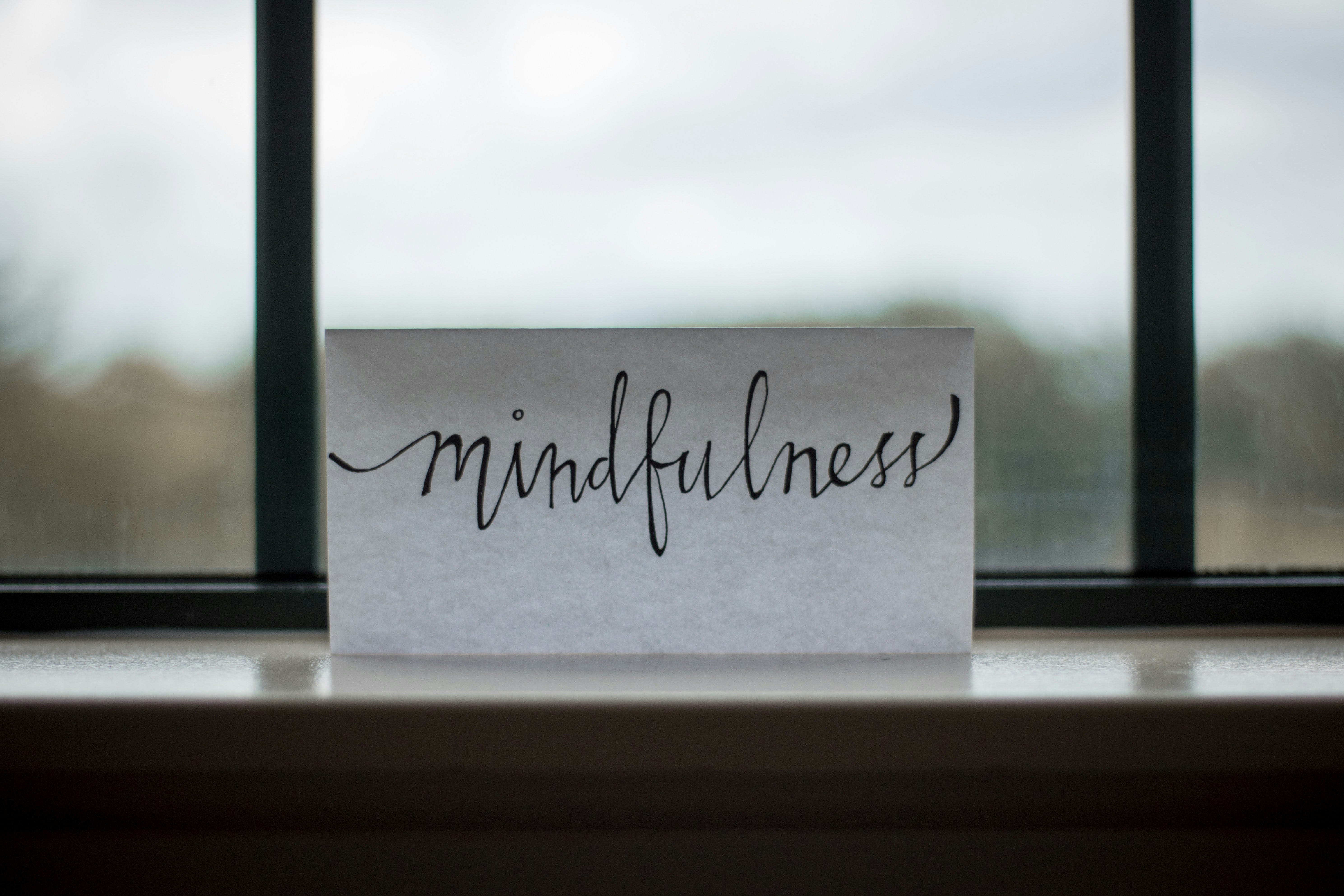
Photo by Lesly Juarez on Unsplash
The intertwining relationship between confidence and mental health cannot be overstated. A person with high levels of self-confidence tends to navigate life’s challenges more effectively, leading to a healthier state of mind. Conversely, the impact of poor mental health can significantly erode confidence, creating a cycle that is hard to break. However, the journey to improved mental health and increased confidence can begin with small, actionable steps.
Practical exercises to boost confidence
Building confidence is like strengthening a muscle; it requires regular exercise. Here are some practical exercises to help boost your confidence:
- Set achievable goals: Start with small, manageable goals that are easy to accomplish. Celebrate your victories, however small, as each achievement will build your confidence.
- Practice assertiveness: Learning to assert yourself in a respectful and confident manner can significantly boost your self-esteem. Start by expressing your feelings and needs openly in safe, low-pressure situations.
- Seek new experiences: Stepping out of your comfort zone can do wonders for your confidence. Whether it’s learning a new skill or hobby, each new experience adds to your self-assurance.
- Surround yourself with positivity: Spend time with people who uplift you and believe in your potential. Avoid negative influences that can erode your self-worth.
Mindfulness techniques to improve self-esteem
Mindfulness is a powerful tool in the journey towards higher self-esteem and better mental health. Here are a few techniques to cultivate mindfulness and enhance your self-worth:
- Daily affirmations: Start your day by affirming your worth and capabilities. Positive self-talk can rewire your brain to believe in yourself.
- Gratitude journaling: Maintaining a gratitude journal helps you focus on what you’re thankful for, shifting your perspective from what you lack to what you have.
- Mindful breathing: Whenever you’re feeling overwhelmed or self-doubt creeps in, take a moment to practice mindful breathing. This can center your thoughts and reduce anxiety.
- Body scan meditation: Regularly engaging in body scan meditation can foster an increased acceptance and appreciation of your body, enhancing your self-esteem over time.
Incorporating these exercises and mindfulness techniques into your daily routine can ignite a positive change in your mental health and confidence levels. As with any journey of personal growth, patience and consistency are key.
Conclusion
In the journey through life, the connection between confidence and mental health is undeniable. It's clear that nurturing our confidence is not a luxury but a necessity for our mental and emotional well-being.
Building and maintaining confidence is an ongoing process, involving continuous reflection, practice, and self-compassion. By embracing our unique qualities, setting realistic goals, and cherishing our successes, big and small, we lay the foundation for a healthier mental state. Remember:
- We are all works in progress, deserving of our own kindness and patience.
- Positive self-talk and affirmations can boost our confidence and by extension, our mental health.
- Seeking support, whether through friends, family, or professionals, is a sign of strength, not weakness.
Confidence is not the absence of insecurity but the courage to face it head-on, and in doing so, we unleash our fullest potential.